Frequently Asked Questions Batik Fabric
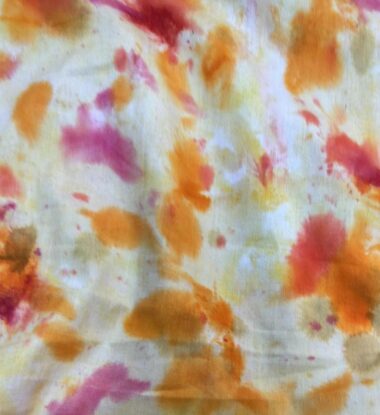
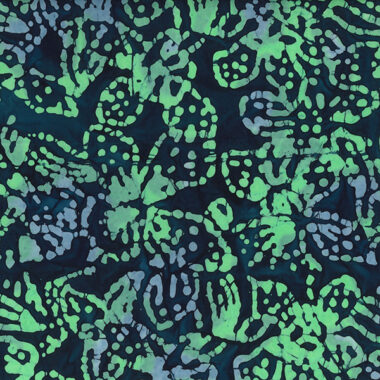
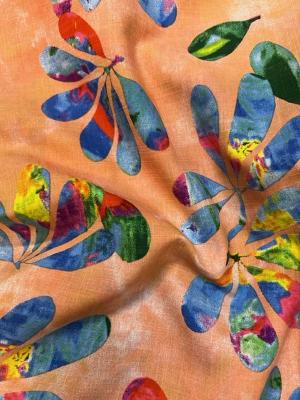
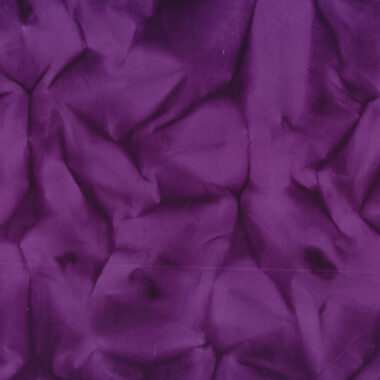
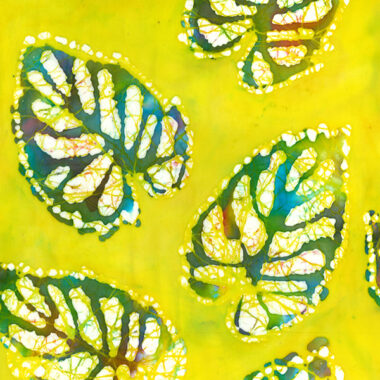
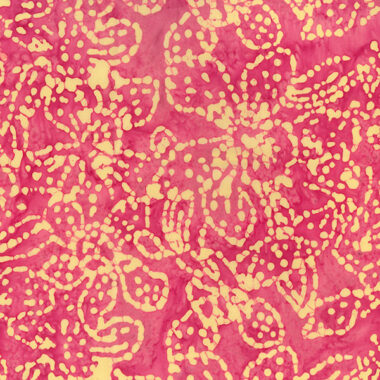
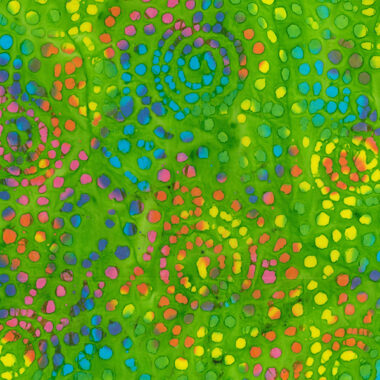
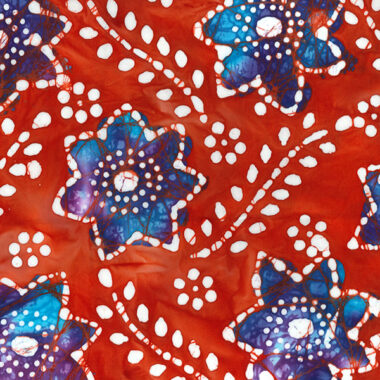
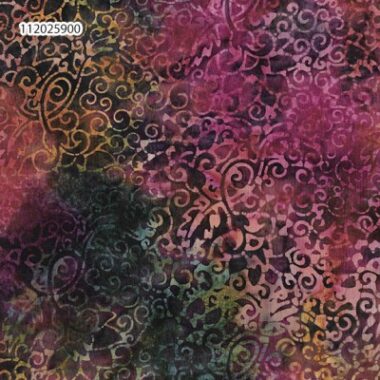
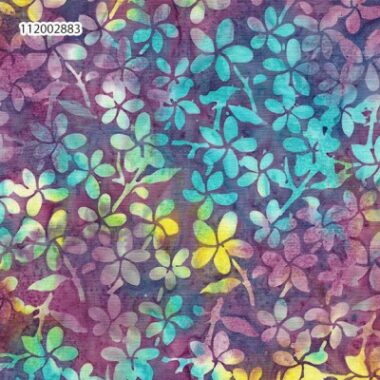
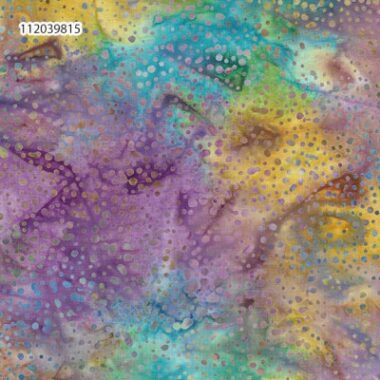
Batik dress fabric is a vibrant, patterned textile created through a wax-resist dyeing process, giving each piece unique shading and charm. It often uses 100% cotton batik or cotton blends, which makes it breathable, comfortable, and suitable for everyday wear. Designers favour it because the patterns add visual interest without the need for extra prints. It’s ideal for dresses, tunics, skirts, and even soft furnishings like cushions or accent décor. At Remnant House Fabric, our batik fabrics come in a variety of colours, repeats, and weights so you can “buy batik fabric by the metre” confident it matches your creative vision and dressmaking needs.
To estimate your yardage: for a knee-length dress using standard width batik (e.g. 110–150 cm), you’ll normally need 1.5 to 2.5 metres, depending on style, size, and print direction. For maxi dresses, you may need 3 metres or more. If your batik has a directional design or pattern repeat, you’ll want extra to match motifs across seams. Also count yardage for facings, linings, or sleeves. Since we sell batik fabric by the metre, we’ll cut continuous yardage whenever stock allows. If you share your pattern, size, and style with us, we’re happy to help you fine-tune your order to minimize waste.
Yes — though the name suggests dresses, batik fabric is versatile and works beautifully for soft décor projects. Use it for cushion covers, throws, wall hangings, table runners, or accent panels. With its rich colours and artisanal patterns, batik can add a touch of global style to interiors. Because our batik fabrics are made of stable cotton or cotton blends, they withstand stitching, pressing, and washing — key for furnishings. Just treat it as you would dress fabric: pre-wash, match patterns, and finish seams. Whether it’s clothing or home décor, batik from Remnant House Fabric delivers character, durability, and aesthetic appeal in one.
To maintain the vibrant look of your batik, wash gently in cold or lukewarm water (30 °C preferred) with a mild, pH-neutral detergent. Avoid bleach, harsh chemicals, or high spin cycles. Turn your garments or fabric pieces inside out before washing. Line dry or lay flat in shade — avoid direct sunlight to reduce fading. Iron on the reverse side at medium heat while the fabric is slightly damp, using a pressing cloth if needed. Pre-washing the fabric before cutting and sewing helps eliminate residual dyes and allows for slight shrinkage. With careful care, your batik dress or décor project will stay striking and long-lasting.
Batik is generally manageable, especially compared to slippery synthetics. Because the wax resist method gives it slight stiffness and texture, it holds shape well when cutting and sewing. To get clean seams, use sharp needles (e.g. microtex 70/10) and fine cotton or polyester thread. Pin carefully, cutting on a flat surface, and press seams gently. If your batik has heavy patterns or dark dyes, test stitches and wash a scrap first to check for dye transfer. The relatively stable nature of cotton batik means it behaves less erratically than silks or satins, making it suitable for both beginner and experienced sewists. You’ll find that projects turn out crisp and distinctive thanks to the patterned surface.
At Remnant House Fabric, our batik fabrics are selected for authenticity, depth, and quality, not mass-produced lookalikes. While printed fabrics try to mimic batik, only genuine or closely approached batch-dyed batik has the subtle tonal variation and character that give garments life. We source fabrics with stable dyes, consistent weave, and care in production. Our listings provide full specs (width, weight, fibre, repeat), and we cut batik by the metre — giving you f lexibility without waste. Plus, our service includes advice, swatches, and help matching yardage to your project. When you buy batik fabric from us, you get fabric with story, integrity, and performance.